What We Do

Services

Every concrete job we take on, from a single crack to a full driveway.

Home › Services

Everything we take on

Every job below is one we do ourselves across Citrus Heights.

Concrete Driveways

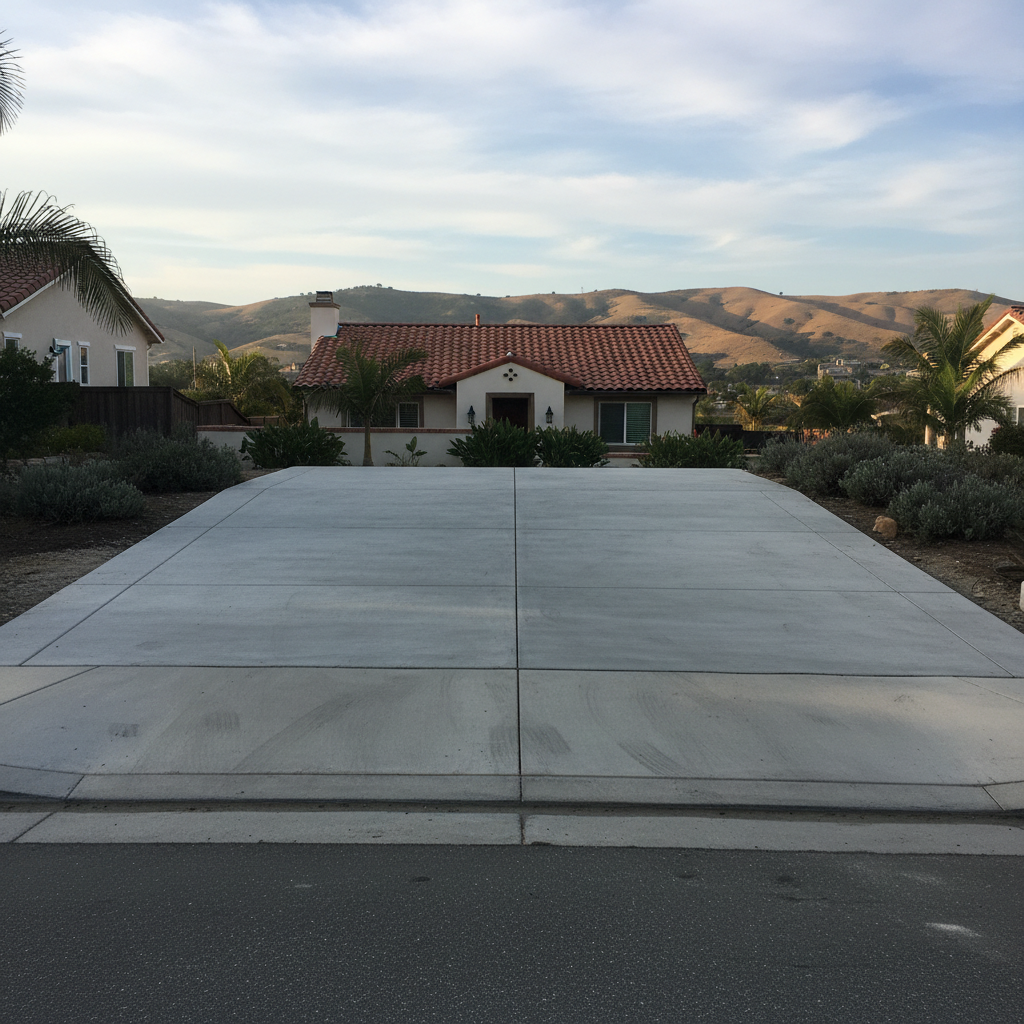
We form and pour driveways with a slope that moves water toward the street, not toward your garage. We use rebar on anything carrying a vehicle's weight and set control joints every 8 to 10 feet so the slab cracks where we cut it instead of across the middle.

Concrete Patios

A patio slab gets the same base prep as a driveway, even though nobody's parking a car on it. We broom finish or stamp depending on what you want, and we pitch it away from the house so water doesn't pool against your foundation.

Stamped Concrete

Stamped concrete gets you the pattern of flagstone, brick or slate without individual pieces that shift and settle over time. We color and texture it while the mix is still plastic, then seal it once it's cured so the color holds up to foot traffic and sun.

Concrete Repair

Cracked, sunken or spalling concrete usually means the base underneath failed, not just the slab on top. We cut out the damaged section and re-compact the base, then dowel the new pour into the old slab so the repair doesn't crack along its own seam.

Concrete Slabs & Foundations

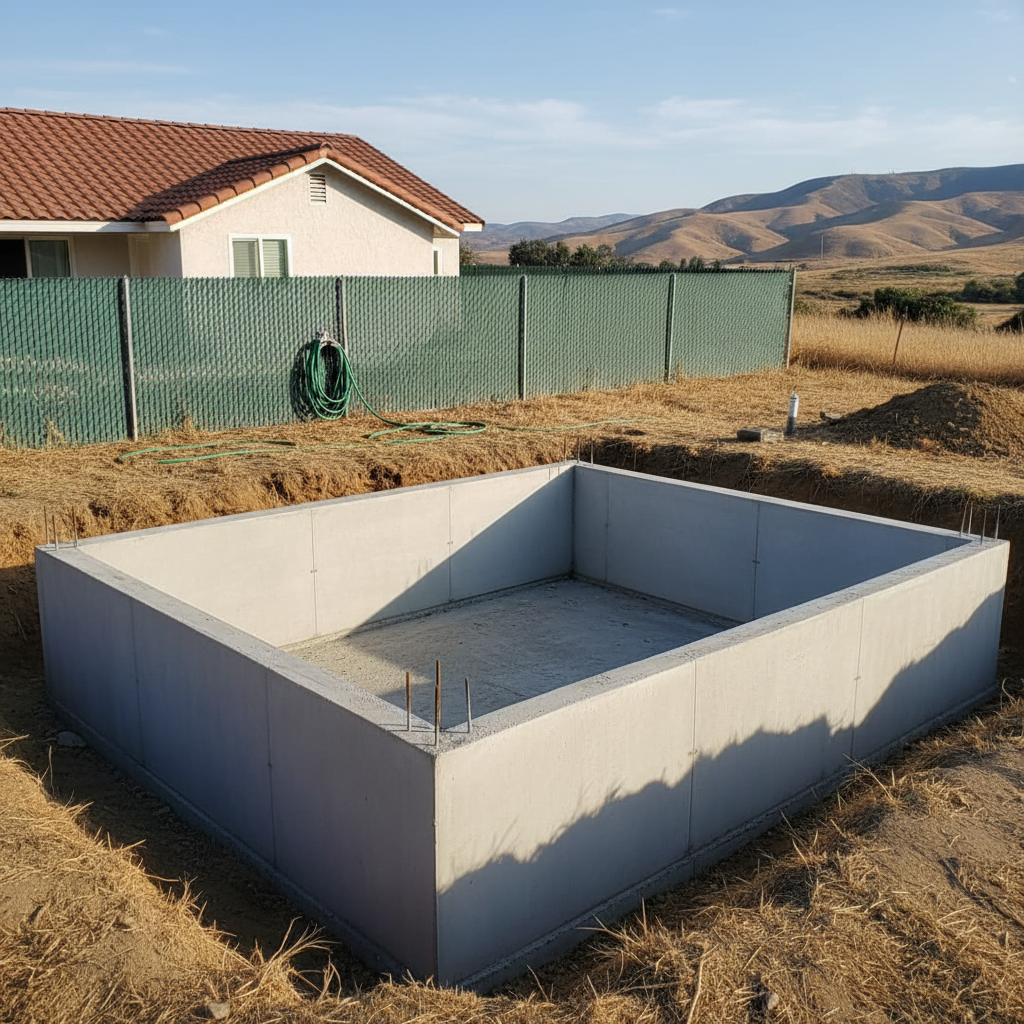
A foundation slab has to sit on compacted, undisturbed soil or it settles unevenly no matter how thick you pour it. We grade and compact the base first, then set rebar to code before any concrete truck shows up, and we schedule the pour around the forecast since rain in the first few hours ruins the finish.

Concrete Walkways

Walkways take less concrete than a driveway but need the same attention to base and slope, otherwise you get a slab that heaves at one end come winter. We keep the width and joint spacing consistent so the path reads clean from the street.

Concrete Steps

Steps have to hold a consistent rise and run or someone eventually trips on them. We form each step off the one below it and broom or sand the tread surface so it isn't slick when wet.

Retaining Walls

A retaining wall holds back soil that would otherwise slide or erode onto a lower patio or driveway. We size the footing and drainage behind the wall to the slope and soil type, since a wall that can't drain is a wall that eventually leans.

Concrete Sidewalks

Sidewalk sections poured to city spec need the right thickness and joint spacing, plus a broom finish that meets slip-resistance requirements. We handle residential sidewalk replacement and new sections the same way the inspector expects to see it.

RV & Equipment Pads

A pad for an RV, trailer or heavy equipment needs a thicker slab and more rebar than a patio, since the point loads are a lot higher. We size the thickness and reinforcement to what's actually going to sit on it, not a one-size-fits-all pour.

How It Works

Four steps, and no surprises in any of them.

01

We come and look

You tell us what you want doing, we look at what is actually there, and we ask the awkward questions early.

02

You get a price

In writing, itemised, free. If something might add cost later we flag it now rather than at the end.

03

We do the work

Same crew throughout. We cover your floors, keep the dust down and tidy up before we leave each day.

04

We walk it with you

You point out anything you are not happy with and we fix it before the invoice, not after.

Where We Work

All of this, across Citrus Heights, CA

Serving homeowners across Citrus Heights and the surrounding valley.

Citrus Heights, CA
Sacramento, CA
Elk Grove, CA
Roseville, CA
Folsom, CA
Rancho Cordova, CA
Rocklin, CA
Carmichael, CA
Fair Oaks, CA
Orangevale, CA
Lincoln, CA
Common Questions

Things worth asking

What to expect once a concrete project is underway.

Do I need a permit to pour a new driveway or patio?
Most cities in the Sacramento area require a permit for new driveway approaches, structural slabs and anything tied into a sidewalk or right-of-way. Simple patio replacements on an existing footprint sometimes don't need one, but it's worth checking with the local building department before forms go in.
How long does a typical concrete pour take to finish?
The pour itself for a driveway or patio usually takes a single day, but the slab needs 24 to 48 hours before it can be walked on and about 7 days of curing before it can handle vehicle weight. Full cure strength takes closer to 28 days, which matters if anything heavy is going to sit on it right away.
Can concrete work be done on a budget?
A plain gray broom finish costs less than stamped or colored concrete, and pouring on an existing base instead of fully removing an old slab also brings the price down. The trade-off is usually in finish and decoration, not in the structural part of the job.
Do you guarantee your concrete work?
A concrete contractor should stand behind the slab against structural cracking and settling tied to improper installation, though hairline surface cracking within control joints is normal in any concrete. Ask what's covered and for how long before the job starts, and get it in writing.
Who will I be dealing with during the project?
On most concrete jobs the same crew that forms and pours the slab also finishes it, so questions during the work go to the person actually running the job rather than a separate office contact. That makes it easier to catch a problem with the grade or the forms before the concrete truck arrives.
What type of concrete mix and reinforcement do you use?
Driveways and anything carrying vehicle weight typically get a higher-strength mix with rebar, while patios and walkways can often use a lighter mix with wire mesh. The right choice depends on what's going to sit or drive on the slab and what the local soil does seasonally.
Can I stay in my house during a concrete pour?
Living in the house during a driveway or patio pour is normal since the work is outside, though the driveway itself will be unusable for several days while it cures. It's worth planning parking elsewhere during that window.
How should I prepare my yard before concrete work starts?
Clearing furniture, planters and vehicles from the work area ahead of time speeds up the job, along with marking any sprinkler lines or buried utilities the crew should know about. Access for a concrete truck or pump, including gate width, is also worth checking beforehand.
What happens if you find a problem once the old concrete is removed?
Soft spots, old tree roots or poor drainage sometimes show up once an old slab is broken out, and that base has to be corrected before a new pour goes down. This can add a day or two and some cost, but skipping it means the new slab fails the same way the old one did.
How do I take care of new concrete after it's poured?
New concrete should be kept off vehicle traffic for about a week and foot traffic for a day or two while it cures, and sealing it every couple of years helps resist staining and surface wear. Keeping sprinklers from hitting a fresh pour in the first 24 hours also helps the finish set properly.

Not sure what you need?

Describe the problem and we will tell you what it probably is. No obligation.
Call (916) 404-6958